


































































Voir Dire - Traumatic Brain Injury
This section deals specifically with jury selection in traumatic brain injury suits which shares more than what might appear obvious with voir dire in wrongful death.
Make no mistake! Voir dire is not an “either/or” proposition. Despite some advocates saying that it is only to eliminate the haters (those whose life experiences and attitudes mean your client will have to start out climbing a stiff cliff) or building a tribe and rallying around unifying principles of the case, the fact is . . . IT IS BOTH! To be sure the sequence and emphasis may differ but both of the approaches have an equal and important place in your arsenal. I have likened it in prior lectures to taking “Two Bites Of The Apple” where I first identify those decent soles who I believe should not be sitting on my case . . . AND THEN ask the remaining folks if they “have any hesitation” in _____ (fill in the blank . . .”holding the doctor responsible for their decisions”; “allowing money for human losses reflecting a change in quality of life”; “placing a dollar value on life itself”; or “being asked to place a dollar figure on something as important yet difficulty to ‘see’ as traumatic brain injury”. Here we focus on human losses and harms which are not as easy to access as if you were merely being asked to add up all of the prices of things such as wages, medical bills, property damages, etc. . . . things which have already been given a price tag before the trial ever began (“it is merely a checking of our math”).
What makes voir dire in wrongful death and traumatic brain injury so different is...they are so different in the minds of the only ones who count (i.e., the decision makers).
In many traumatic brain injury cases there is either no blood that the jurors will see on imaging or the blood that is seen has now resolved over the years with nothing abnormal when you look at the person who is “brain damaged” who is sitting for days without any apparent outward manifestation of the injury. This is often one of the reasons that lawyers should consider not having a client sit at the counsel table (which will distract the jurors from looking at evidence) or perhaps even in the courtroom. When your client has scarring or a missing limb or requires a cane or wheelchair, the jurors “believe what they see.” Often even in moderate or severe cases, the injury is INVISIBLE. Demonstrative Aid Advocacy 101 calls for our ingenuity to create something that a layperson can look at and instantly understand without any type of verbal or text explanations. “The simplest story wins.” If your presentation is crammed with terms such as “corpus callosum” or even “psycho social trauma” you have just increased the cognitive burden to the jurors and essentially say to them that they should hold you to a “CSI level burden of proof.” The CDC calls TBI the “silent epidemic.” It has only been in recent years (due to the popularity of football) that we are beginning to understand what forceful jolts to the head (with or without loss of consciousness) can do to the delicate nerve fibers allowing us to think, feel, move and behave. Imagine the most advanced and responsive super computer with billions of wires/cables responsible to send messages which enable humans . . . to be human and do human things. The wires/cables (i.e., “axons” . . . remember, explain the concept first before you then give the mysterious term) shoot electricity or chemicals to other brain cells that enable every single thing that we do, feel or experience. If the cables tear or get jumbled, we are no longer the same person we were (that person is gone). In his or her place there is a different wiring system which behaves very differently. They must now struggle through night and day
with headaches, nausea, vomiting, blurred vision . . . and when frustration boils over in not being who they were and not understanding what is happening to them, their core personality changes. An upbeat, inquisitive, social, bright person is now a depressed, irritated, forgetful isolated person. We will bring you the most advanced and sensitive brain scanning which “sees” those brain fibers which older/less sensitive methods (which still have their uses) cannot see. It is the difference between looking at a leaf first with the naked eye and then with a series of increasingly more powerful magnifying glasses until one finally puts the leaf under a microscope for that “ah ha” moment. “Now I see . . . and understand.” It is one of the reasons that the newer DTI sequences in a MRI must be discussed in voir dire because you already know that the defense will attack it as not being accepted by professional radiologic organizations and being a “hocus pocus” litigation trick.
Brain Injury Voir Dire Specifics: Whether severe or “mild” (a misnomer you must address in voir dire) the responsibility of we who represent brain injured clients requires an openness to the challenges that jurors will have to our case:
- I can’t “see” brain injury (especially “mild”) when looking at a person. “I believe what I can see with my own eyes.”
- The most sensitive brain scan capable of “actually seeing” damaged brain cells are also the newest techniques and are going to be attacked by the defense who will point out that they have not yet been adopted by the radiology organizations.
- The common concerns about exaggeration or overstatement is now compounded. Even if you can’t “see” pain, everyone intuitively knows that a broken arm will cause pain. That is not the case with the type of force that causes brain injury to your client.
- It is a relatively common experience to have had your “bell rung” or some other dismissive term. Even if the jurors had an actual diagnosed concussion, they will most often say that either they or somebody they know was concussed but had no long-term effects.
- The typical symptoms of concussion resolve within a few weeks or months with only a very small percentage turning into a chronic condition and here we are with a person who says they are in the 1% asking for money for it.
- The request for a very significant amount in the verdict will be seen as being no good. Though this is also a frequent reservation for any type of human losses, in this regard the plaintiff and the defense may actually agree that there is literally nothing that can be done to make them any better. Be very cautious about making such a statement before you do your homework to insure that there is no need for the costly services of companion care, financial or life management services, hormone therapy (pituitary injury is one of the most frequent complications of TBI), vestibular, balance and vision and hearing care.
TLU Live HB Agenda

Track 1
Breakfast
Hosted by
- 9:00a

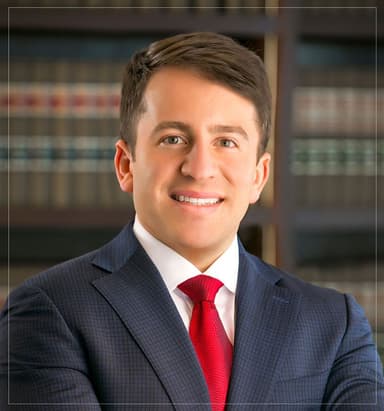
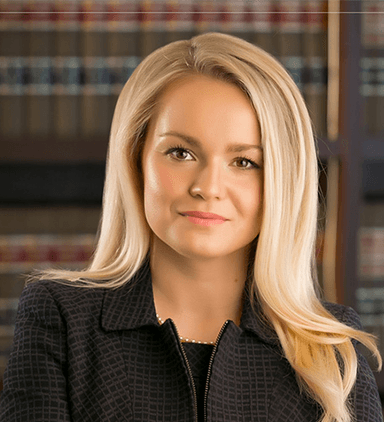 Andrew Robb · Brittany Sanders Robb Maximizing Damages
 Coffee & Snacks
Hosted by
- 10:15a
 Joseph CamerlengoGetting to Amazon, FedEx, and Other Large Entities
 Coffee & Snacks
Hosted by
- 11:30a
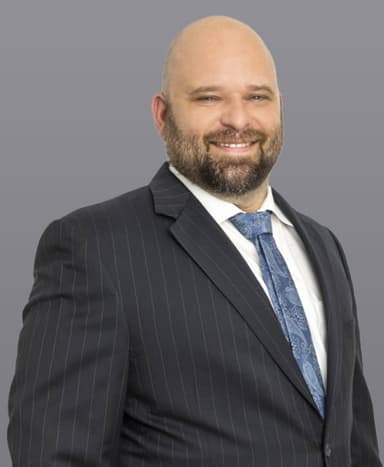 Tim FeliceDriving Drunk. Hiring Blind: Anatomy of the $92.3M Verdict
 Lunch
Sponsored by
- 2:00p

 Kurt Zaner · Sarah McEahern Creating Drama at Trial – how to tell a story in trial through dramatic theatrical techniques
 Coffee & Snacks
Hosted by- 3:15p
 Jordanna ThigpenFee Applications & What I Learned in Bootcamp
 Coffee & Snacks
Hosted by
- 4:30pKurt Zaner · Sarah McEahern Writing a Story – Win your case in a page and a half

Track 2
Breakfast
Hosted by- 9:00a
 Ben B. Rubinowitz · Michael Kelly Jury Selection
 Coffee & Snacks
Hosted by- 10:15a
 Edward Ciarimboli · Phillip Miller Creating and Using Visuals in Depositions and Trials to Bulletproof Your Case
 Coffee & Snacks
Hosted by- 11:30a
 Patrick Salvi IIABCs of Big Damages: Always Be Closing from Voir Dire to Rebuttal
 Lunch
Sponsored by
- 2:00p
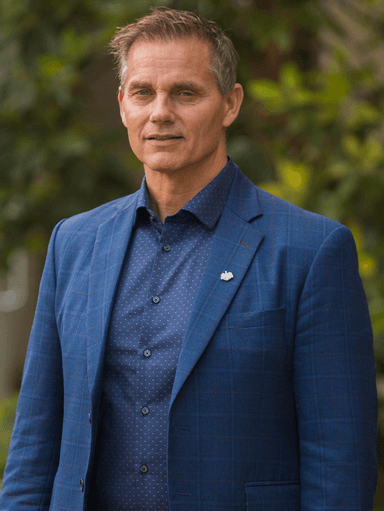
 Dan Ambrose · Joe Fried Bringing Your Trucking Trial to Life
 Coffee & Snacks
Hosted by- 3:15p
 Michael AlderLearn Mind Blowing Tactics to Maximize Your Results By Understanding The Behind The Scenes of Insurance Companies
 Coffee & Snacks
Hosted by- 4:30pMichael AlderLearn Mind Blowing Tactics to Maximize Your Results By Understanding The Behind The Scenes of Insurance Companies
Track 3
Breakfast
Hosted by- 9:00a
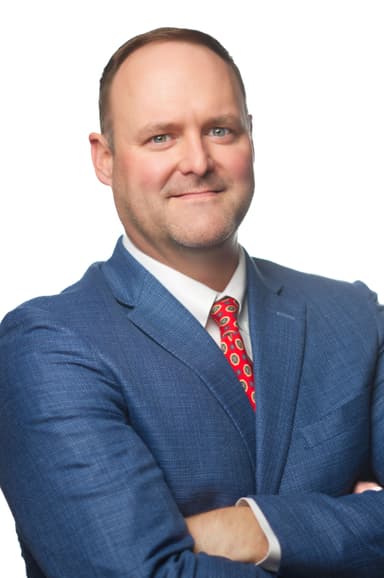 Joe Fried · Sach Oliver The Perfect Combination: Speed Trial and Depositions Are Trial Methodologies
 Coffee & Snacks
Hosted by- 10:15aJoe Fried · Sach Oliver The Perfect Combination: Speed Trial and Depositions Are Trial Methodologies
Coffee & Snacks
Hosted by- 11:30aJoe Fried · Sach Oliver The Perfect Combination: Speed Trial and Depositions Are Trial Methodologies
Lunch
Sponsored by- 2:00p
 Michael HillMaximizing Damages: Winning Large Verdicts and Settlements by Unlocking the Punitive Aspects of Compensatory Damages
 Coffee & Snacks
Hosted by- 3:15p
 Stephen J. BurgHow to Super Charge your Verdict with Case Faming
 Coffee & Snacks
Hosted by- 4:30p
 Rahul RavipudiThe Importance of Jury Instructions And How To Argue The Law At Trial

Track 4
Breakfast
Hosted by- 9:00a
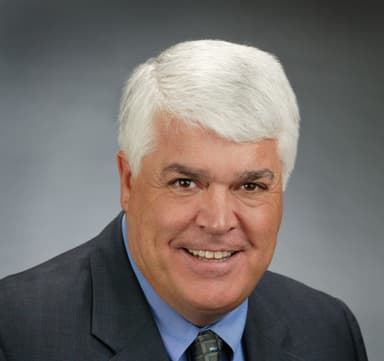 John RomanoVisibilizing the Injury in Vehicle & Premises Cases
 Coffee & Snacks
Hosted by- 10:15a
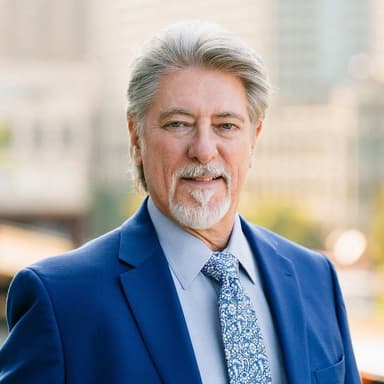
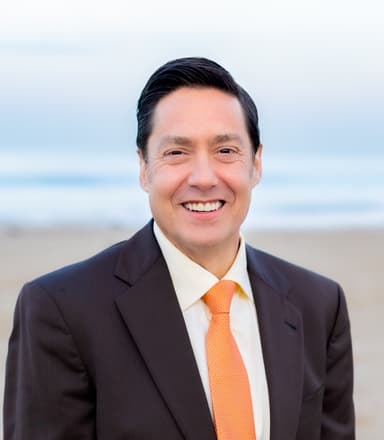 Eric Oliver · Scott Frost War on Truth: Trial and Closing Argument in Post-Truth Times
 Coffee & Snacks
Hosted by- 11:30a
 Dirk VandeverVoir Dire - Wrongful Death
 Lunch
Sponsored by- 2:00p
 Randall Sorrels25 Game-Changing Strategies
 Coffee & Snacks
Hosted by- 3:15p
 Lloyd BellUsing AI and Apps to Prevail in Medical Malpractice Cases
 Coffee & Snacks
Hosted by- 4:30p
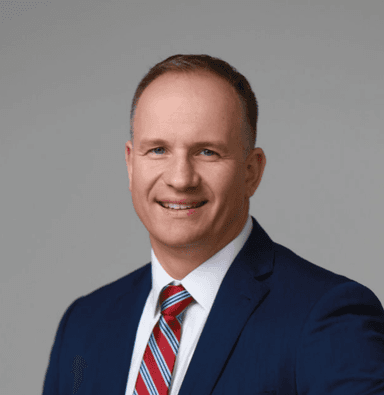 Przemek LubeckiThe Mental Game for Trial
Thursday parties

Elvis & Marilyn
5:30pm-8:30pm

Gaming Lounge
Music by DJ AVEC AMIS
8:30-11pm